Chandler sits on a deep alluvial basin where groundwater levels fluctuate with irrigation cycles. We see residual contamination from former agricultural operations, dry cleaners, and light industrial facilities more often than most people realize. The challenge here is that the same sandy soils that drain well also allow contaminants to migrate laterally fast. That is why we always start with a site-specific conceptual model before designing any remediation strategy. Combining infiltration testing with detailed soil vapor surveys gives us the vertical profile we need to understand plume behavior in Chandler. Our approach keeps excavation volumes minimal and treatment targeted.
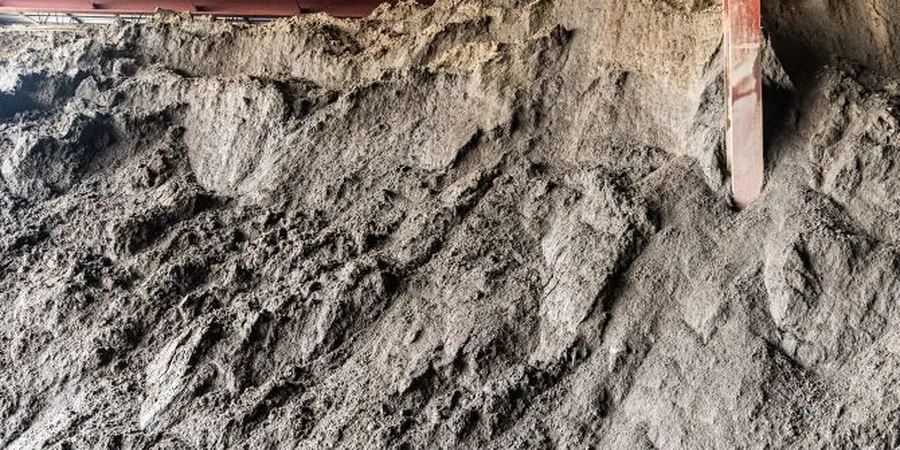
Chandler's sandy alluvium allows contaminants to migrate laterally fast — we always start with a site-specific conceptual model before any remediation.
Methodology and scope
- On-site soil screening with photoionization detectors to segregate clean and contaminated material
- Bioremediation cells with nutrient amendments for petroleum hydrocarbons
- Soil vapor extraction under vacuum for volatile compounds in the vadose zone
Local considerations
Chandler grew fast from farmland to a tech-and-residential hub. That rapid urban development left legacy contamination under parking lots, former gas stations, and old industrial yards. The main risk is that uncontaminated imported fill often masks deeper plumes. Without proper delineation, a simple excavation for a new foundation can mobilize contaminants into the aquifer. The Arizona Department of Environmental Quality requires thorough characterization before any soil movement. We have seen projects delayed months because the original Phase I missed a buried waste pit. Getting the remediation right the first time saves both schedule and liability.
Explanatory video
Applicable standards
ASTM E1527-21 (Phase I ESA standard), ASTM E1903-19 (Phase II ESA standard), ADEQ Remedial Action Plan Guidance, IBC Chapter 18 (excavation and fill control)
Associated technical services
In-Situ Chemical Oxidation (ISCO)
Injection of oxidants such as sodium persulfate or hydrogen peroxide directly into the contaminated zone. Works well for chlorinated solvents and petroleum hydrocarbons in Chandler's permeable sands.
Bioremediation & Natural Attenuation
Nutrient amendment and electron acceptor addition to stimulate indigenous microbes. Ideal for low-concentration plumes and sites where excavation is not feasible.
Excavation & Off-Site Disposal
Mechanical removal of hot spots, segregation by contaminant level, and transport to permitted facilities. Includes confirmation sampling and backfill with certified clean material.
Typical parameters
Frequently asked questions
How much does contaminated soil remediation cost in Chandler?
Costs typically range between US$3,290 and US$12,240 depending on contaminant type, depth, volume, and whether we treat in situ or excavate. We provide a fixed-price proposal after the phase II delineation.
What contaminants are most common in Chandler soils?
We most often find petroleum hydrocarbons from former gas stations, tetrachloroethene from dry cleaners, and heavy metals from historical agricultural operations. The sandy alluvium allows these to spread quickly if not addressed early.
How long does a typical remediation project take?
Excavation-based projects finish in 2–4 weeks including confirmation sampling. In-situ chemical oxidation or bioremediation can take 2–6 months depending on the plume size and degradation rates.
Do I need a Phase I or Phase II before remediation?
Yes. The Arizona Department of Environmental Quality requires a Phase I ESA (ASTM E1527) to identify recognized environmental conditions. If contamination is confirmed, a Phase II with soil borings and lab analysis is mandatory before any remedial design.