For projects in Chandler, we follow ASTM D1587 to retrieve high-quality undisturbed samples. The city sits on deep alluvial deposits from the Santa Cruz River basin, mixed with cemented caliche layers near the surface. These conditions make thin-walled Shelby tubes the right choice. They preserve the natural soil structure and moisture content. That matters when you need reliable lab results for settlement or shear strength. We run the sampling after completing the borehole logging to identify the target strata. Each tube is wax-sealed at the site and handled carefully during transport. No vibration, no disturbance. That is the only way to get test data you can trust for design.
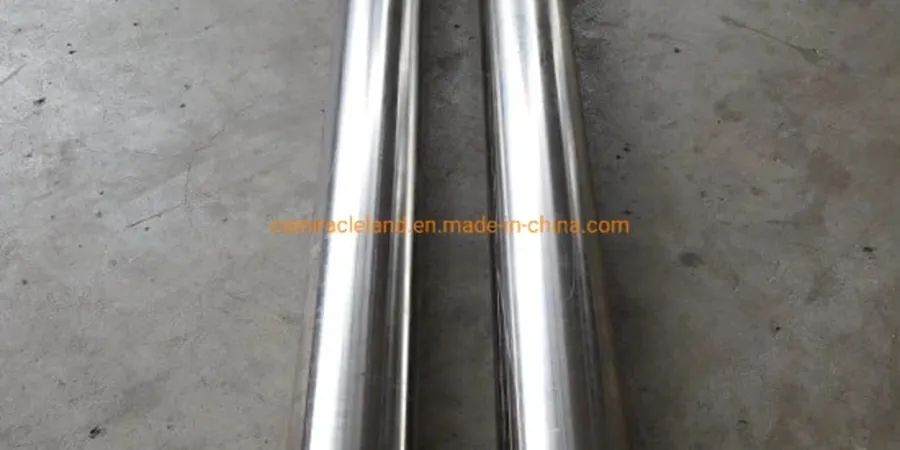
A Shelby tube sample preserves the in-situ fabric and moisture. Without it, consolidation and strength data are just guesses.
Methodology and scope
Local considerations
Chandler grew fast from farmland into suburban sprawl. Many older subdivisions were built on undocumented fills and loose alluvial fans. Those areas now show differential settlement problems. The biggest risk comes from expansive clays that shrink and swell with seasonal moisture changes. Undisturbed sampling is the only way to measure the actual collapse potential and swelling pressure. If you skip it and rely on disturbed samples only, you might underpredict settlement by 30% or more. We have seen that happen on commercial strip malls along Arizona Avenue. The fix costs much more than the initial investigation.
Applicable standards
ASTM D1587-15 (Thin-Walled Tube Sampling), ASTM D4220-19 (Preservation and Transport), ASTM D2435-11 (One-Dimensional Consolidation)
Associated technical services
Shelby Tube Sampling
Thin-walled tube sampling with stationary pistons for clay and silt strata. Wax-sealed, chilled, and delivered to our accredited lab within 24 hours.
Consolidation Testing
One-dimensional consolidation tests (ASTM D2435) on undisturbed specimens to determine preconsolidation stress, compression index, and coefficient of consolidation.
Unconfined Compression (UC)
Quick undrained strength tests on undisturbed samples for foundation bearing capacity and slope stability analysis in Chandler's clay layers.
Typical parameters
Frequently asked questions
Why use a Shelby tube instead of a split spoon for clay soils in Chandler?
A split spoon disturbs the soil structure so you cannot run consolidation or sensitive strength tests. A Shelby tube cuts a clean, undisturbed cylinder. In Chandler's expansive clays, that undisturbed sample is the only way to measure the actual swelling pressure and collapse potential.
How much does undisturbed sampling in Chandler cost?
Typical cost ranges between US$370 and US$1.140 per sample, depending on depth, tube size, and whether you need consolidation or UC testing. We can give a firm quote after reviewing your boring plan and target strata.
How long does it take to get results from a Shelby tube sample?
Basic UC tests take 3–5 business days after the tube arrives at the lab. Consolidation tests take longer because we apply multiple load increments over 7–10 days. We provide preliminary moisture and density data within 48 hours.
What depth limits apply to Shelby tube sampling?
We have successfully sampled down to 200 ft in Chandler's alluvial deposits. The practical limit depends on the drilling rig, the soil stiffness, and whether we can advance the borehole without casing. For very loose sands we may need to stop earlier.
Do I need undisturbed sampling for every soil layer?
No. You only need undisturbed samples for cohesive layers that control settlement or strength. For granular layers, standard SPT tests are sufficient. We recommend Shelby tubes for any clay or silt stratum thicker than 3 ft that supports structural loads.