Soil conditions between downtown Chandler and the Sun Lakes area could not be more different. Downtown sits on old river terrace deposits — sands and gravels with some silt. Head south toward the Gila River floodplain and you hit fine-grained soils, clays with moderate plasticity, and occasional caliche layers. A proper soil classification (USCS/AASHTO) is the first step before any foundation design. We classify every sample using ASTM D2487 and D3282, assigning both a group symbol and a group index. That double classification tells contractors exactly how the material will behave under load and in compaction. Before designing a spread footing or a pavement section, engineers need to know if they are dealing with an A-2-4 sand or an A-7-6 clay. The difference dictates everything from bearing capacity to drainage requirements.
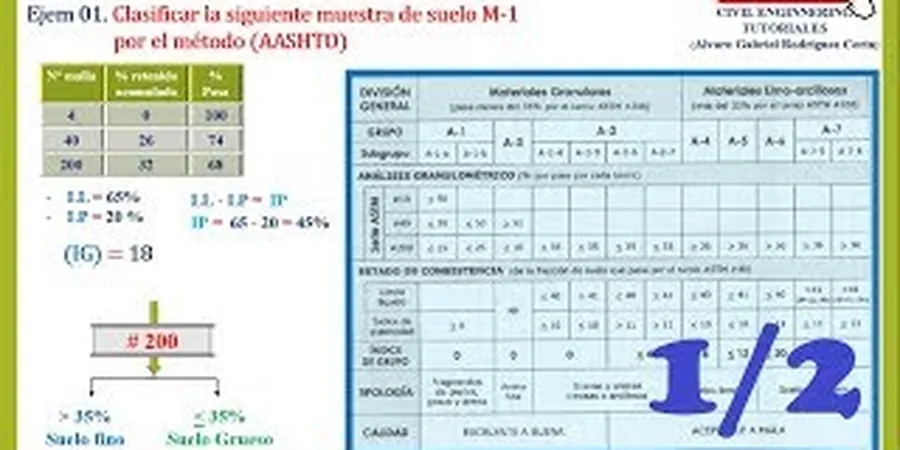
Classifying Chandler soils without accounting for caliche layers can mislead bearing capacity estimates by up to 40 percent.
Methodology and scope
Local considerations
The biggest mistake we see in Chandler projects is assuming all local soils behave alike. A site two blocks away can switch from non-plastic sand to high-plasticity clay. If the USCS classification is skipped or done with incomplete sampling, the foundation design may be grossly under- or over-conservative. We have seen slab-on-grade floors crack because a thin clay layer was misclassified as low-plasticity. The cost of rework dwarfs the cost of a proper classification up front. Always classify each soil stratum independently, especially where the water table fluctuates.
Applicable standards
ASTM D2487-17 (USCS classification), ASTM D3282-15 (AASHTO classification), ASTM D4318-17 (Atterberg limits)
Associated technical services
USCS Classification
Full visual-manual and laboratory classification per ASTM D2487, including grain-size distribution and plasticity determination.
AASHTO Classification for Pavements
Group index and soil rating for pavement subgrade design, following ASTM D3282 and AASHTO M 145.
Field Classification & Logging
On-site soil identification during test pits or borings, with real-time USCS group assignment and sample preservation.
Typical parameters
Frequently asked questions
What is the difference between USCS and AASHTO soil classification?
USCS (Unified Soil Classification System) groups soils by grain size and plasticity — used mainly for foundations and earthworks. AASHTO classifies soils for pavement subgrade, giving a group index from 0 to 20+ that reflects expected performance under traffic loads. Both are standard in Chandler geotechnical reports.
How much does a soil classification test cost in Chandler?
For a standard classification including sieve analysis and Atterberg limits, expect between US$50 and US$90 per sample. Volume discounts apply when testing multiple samples from the same site.
Which Chandler soil types are most problematic for construction?
Expansive clays (CH under USCS, A-7-6 under AASHTO) in the southeastern areas cause slab heave and pavement cracking. Also, loose silty sands near the Gila River floodplain can collapse when saturated. Proper classification identifies both risks.
How long does it take to get soil classification results?
Turnaround is typically 5 to 7 business days after sample arrival at the lab. Rush service can deliver preliminary classification in 48 hours for an additional fee.